

Search
Results found for empty search
- Broody Swan-Neck Moss: A Sustainable Crafting Gem
Step into the verdant realm of Broody Swan-Neck Moss, where the lush Campylopus clavatus whispers wild secrets. This isn't just any moss—it's a sustainably foraged gem from the mystical landscapes of South-Eastern Gippsland, Victoria. Imagine the gentle curve of a swan's neck, captured in vibrant green, gracing your terrariums and fairy garden ideas with an elegance that nature alone can craft. This moss is a muse, ready to inspire your next masterpiece in sustainable crafting, a perfect companion for those who seek woodland charm and unique moss displays. So, curious creator, are you ready to let your imagination roam free and transform your miniature landscapes into enchanting tales of the earth? Discovering Broody Swan-Neck Moss Delve into the world of Broody Swan-Neck Moss, a unique botanical wonder that captures the imagination of nature enthusiasts and crafters alike. Its lush, swooping shape and vibrant green color bring an element of woodland charm to any setting. The Allure of Woodland Charm Broody Swan-Neck Moss embodies the essence of woodland charm with its gentle, swooping form reminiscent of a swan's neck. This natural elegance makes it a prime choice for those looking to infuse nature's tranquility into their creative spaces. The moss's vibrant green hue acts as a visual anchor, drawing the eye and creating a sense of peace and harmony. It's as if the forest itself has lent a piece of its soul to your space, whispering secrets of the wild. Incorporating this moss into your projects can evoke a nostalgic connection to nature, sparking joy and wonder. Whether it's the centerpiece of a terrarium or a subtle accent in a fairy garden, Broody Swan-Neck Moss offers a touch of the mystical. Sustainable Foraging in Gippsland The Broody Swan-Neck Moss thrives in the damp, dappled hush of South-Eastern Gippsland—a place where nature still hums quietly, undisturbed. All moss in my collection is hand-foraged from privately owned land, with full permission, far from roadsides, parks, or protected reserves. It’s not just about gathering—it's about guardianship. Look, Don’t Loot : I select only thriving patches, taking small amounts to ensure continued growth. Harvest Gently : Tools are optional—hands and heart are preferred. Rotate & Respect : Foraging sites are revisited mindfully, allowing the land to rest and recover. Sustainable foraging from private land not only protects sensitive ecosystems—it deepens our connection to the living landscape. Every mossy tuft collected is part of an ongoing dialogue with nature, whispered in green. When you choose moss gathered this way, you're supporting both the earth and the art of slow, thoughtful stewardship. Crafting with Campylopus Clavatus Crafting with Broody Swan-Neck Moss, or Campylopus clavatus, opens a world of possibilities. Its unique texture and form can transform ordinary projects into extraordinary pieces of art. Terrarium Crafting Techniques Creating a terrarium with Broody Swan-Neck Moss involves more than just arranging plants. It's about crafting a miniature ecosystem that thrives and captivates. Select a Vessel: Opt for glass containers that allow light to reach every angle. Prepare the Base: Start with a layer of small stones for drainage. Add Soil: Choose soil that supports moss growth. Place the Moss: Arrange the moss strategically, allowing its natural curves to flow. Maintain Moisture: Keep the terrarium humid but not overly wet. This process not only beautifies your space but also encourages a hands-on connection with nature. Crafting with moss in terrariums can be a meditative practice, allowing creativity to bloom alongside the greenery. Fairy Garden Ideas and Inspirations Fairy gardens offer a whimsical escape, and Broody Swan-Neck Moss can be the star of these enchanted creations. Imagine crafting a tiny woodland scene that tells a story of magic and mystery. Use moss to create lush landscapes, forming pathways and cozy nooks for imaginary creatures. Its natural swoop can mimic gentle hills or flowing streams in your fairy realm. Add miniature accessories like tiny benches or fairy lights to enhance the scene. The moss acts as a living canvas, providing texture and life to your garden. Let your imagination roam free, creating a world where the line between fantasy and reality blurs. Embracing Sustainable Creativity Sustainable crafting isn't just a trend; it's a commitment to the earth. Embrace this ethos by incorporating Broody Swan-Neck Moss into your creative endeavors. Unique Moss Display Tips Displaying moss creatively can transform any space. Here’s how to make the most of your Broody Swan-Neck Moss. Use Frames: Create living pictures by framing moss in shadow boxes. Vertical Gardens: Attach moss to wall panels for a vertical garden that breathes life into interiors. Table Centerpieces: Design unique centerpieces by pairing moss with natural elements like stones or driftwood. These techniques not only showcase the moss’s beauty but also highlight your commitment to sustainable creativity, promoting a lifestyle that values both artistry and the environment. Miniature Landscape Inspiration Creating miniature landscapes with Broody Swan-Neck Moss is about storytelling through nature. Each element you incorporate adds a layer to the tale. Conceptualize Your Scene: Decide on a theme or story for your landscape. Select Complementary Elements: Choose items that enhance the moss, like small figurines or pebbles. Layer and Arrange: Build your scene by layering moss and elements to create depth. Lighting and Placement: Use lighting to highlight features, and place your landscape where it catches the eye. By focusing on miniature landscapes, you not only craft a visual delight but also adopt a mindful approach to creativity. This process becomes a journey, inviting you to explore the harmonious relationship between art and nature.
- Fairy Rings & Mushroom Lore: Portals, Dances & the Echoes of Nyxara
Part I: Circles of Mystery — The Lore of Fairy Rings Fairy rings, those eerie, near-perfect circles of mushrooms that appear overnight in meadows, forests, and gardens, have long captured imaginations and stirred unease. Found in folklore across Europe and beyond, these natural formations are steeped in superstition. In Celtic and Norse traditions, they were seen as portals to the Otherworld, places where the veil between realms was perilously thin. Step inside, and you might dance forever in a circle of fae enchantment or vanish entirely. To the untrained eye, they were curious fungi formations. But to folk healers, witches, and hedge walkers, fairy rings were not to be trusted. In some tales, mortals who entered were doomed to wander in circles, lost in time. In others, they returned days or years later, aged, changed, or not quite themselves. In Germany, they were known as Hexenringe, “witches’ rings”, said to mark where witches danced with the Devil. In Welsh tales, the grass inside the ring was scorched by fairy footsteps. And always, the advice was the same: do not step inside. Unless you were willing to pay the price. Part II: Nyxara and the Ring of Moonlight It was nearly midnight when Nyxara felt the shift, subtle as a sigh, deep as a tremor. The wind stilled. The Grove hushed. And the moonlight grew unnaturally bright. She followed it. Through the Wildwood, past the stones marked with her grandmother’s sigils, and down into the mist-hollowed meadow beyond Hollow Grove. There, in the heart of a clearing she had passed a hundred times, was something that hadn’t been there the day before. A ring of mushrooms. Pale. Perfect. Pulsing faintly with bluish light, as though they’d caught the moon and learned how to glow. Nyxara stopped at the edge of the ring. The air was different here, still, but alive. Every hair on her arms rose. She knew what it was. Every child in the village did. A fairy ring. And every tale said the same: Do not step inside. But the circle called to her, not with words, but with something older. A deep pull in her chest, like a thread tugging loose from a place she hadn’t known was bound. She could leave. She should. Instead, Nyxara took one breath, whispered a charm for clarity… And stepped over the threshold. Part III: Dances, Warnings & Circles of Time Amidst the heart of a foggy forest, a flawless circle of mushrooms appears, capturing the enigmatic charm and dual essence of fungi—representing both life-sustaining qualities and perilous interactions. Fairy rings have long been seen as more than simple fungus, they are natural warnings, thresholds, and echoes of the unseen. In folklore, they marked where the fae had danced, where spirits had circled, or where magic had spilled over into the mortal world. Often associated with the moon, liminal spaces, and the passage of time, their meanings shifted depending on the tale, and who told it. In Ireland and Scotland, it was believed that to disturb a fairy ring, or worse, step inside it, could lead to misfortune, madness, or the loss of one’s soul. Some said iron in your pocket might protect you; others claimed that only a bramble branch could safely cut a path through. Yet there were always those who ignored the warnings, drawn by curiosity or desperation. Mushrooms themselves carry deep symbolic weight in many traditions. They spring up overnight, without seed, in patterns and places no hand planted, seen as proof of otherworldly influence. Some are edible and healing, others, deadly with a single bite. That duality made them perfect for magic: part blessing, part trap. And always, circles held power, to contain, to summon, or to cross. Which made a ring of mushrooms under moonlight something more than a curiosity. It was a choice. Part IV: Inside the Circle The air changed the moment Nyxara stepped in. Not colder. Not warmer. Just… thinner, like it had been filtered through something not meant for breathing. Sound faded. The rustle of leaves, the distant drip of dew, all gone. Even the moonlight, still glowing blue across the ring, had a shimmer to it now, like a veil drawn across a window. Amidst the tranquil snow-laden forest, she knelt among the mushrooms, her hands emanating a mysterious glow as she communed with the earth's ancient murmurs. She turned slowly. The world outside the circle looked… wrong. Like a painting with one corner smudged. Beneath her boots, the mushrooms pulsed faintly, not just glowing now, but breathing, almost in rhythm. She knelt, the thick moss beneath her knees cool and springy, brushing her fingertips along one cap. It was warm. Too warm. Then she heard it, not in sound, but in stillness. A silence that felt deliberate. A hush with memory stitched into its seams. She pressed her hand to the mossy ground and closed her eyes. The circle didn’t just exist, it remembered. Part V: Time Slips & the Price of Stepping In One of the oldest and most chilling beliefs about fairy rings is their ability to bend time. In countless tales, those who step into the circle return to find the world changed, days or even decades passed in the blink of an eye. Some never return at all. A circle of mushrooms marked the boundary where silence and dance held the promise of profound rewards, but transgression of the fragile pact bore unseen consequences. In Welsh folklore, a man who entered a fairy circle to listen to music emerged thinking only minutes had passed, only to discover fifty years had gone by. In Scottish tales, mortals who joined the fairies’ midnight dance became part of their world, forever changed or trapped by the glamour. Sometimes, people were taken. Other times, they were offered a bargain: knowledge, beauty, love, but only if they danced until dawn or spoke no word within the circle. Breaking the unspoken rules always carried a price. Even leaving a fairy ring came with risk. One needed a charm of iron, a circle of salt, or the aid of a cunning witch to escape unscathed. To step inside was not just to trespass, but to enter a space outside of time, where mortal rules bent and fae whims ruled. Part VI: The Circle’s Secret The heartbeat beneath her hand slowed. Nyxara stood, dusting her palms, and turned in place. The glowing mushrooms now cast long, slanted shadows, reshaping the circle’s center, until she saw it. Not a stone exactly, but a polished disc of something like moonlight made solid. Smooth as bone, faintly humming. Not all who stepped into fairy rings were lost, some returned with knowledge that haunted them, or gifts they hadn’t asked for. It wasn’t waiting for her. It was remembering her. She stepped closer, the scent of damp moss and crushed mushrooms rising gently around her and found herself blinking away tears, though she didn’t feel sad. Images flickered across her thoughts. Not visions. Memories. But not her own. A woman in a green cloak, kneeling in the same ring. A red-haired boy placing a coin beside the mushrooms. A child humming the name of something she’d forgotten upon waking. She reached out without meaning to, her fingers brushing the object. It pulsed, and suddenly, she remembered something she’d never known. A lullaby in a language she didn’t speak. A garden that hadn’t existed for a thousand years. A warning that wasn’t meant for her… and yet somehow was. The circle didn’t want her body. It wanted her understanding. And now, it had it. Part VII: The Lore of Memory and the Veil Not all who stepped into fairy rings were lost, some returned with knowledge that haunted them, or gifts they hadn’t asked for. In certain Celtic stories, seers and poets wandered into circles and emerged with words from beyond, verses that echoed with truth no mortal could know. Others came back unable to speak at all. It was said that fairy rings marked the thin places, where memory and magic tangled, where dreams bled into waking. These weren’t just places of dancing fae or curses, they were crossroads of the soul. A person could forget who they were… or remember who they had once been. In some old Germanic tales, people would enter a ring to learn something, an answer to a question, a glimpse of a future, and return changed, eyes glassy, hearts heavy. The knowledge always came with a price. But the most dangerous rings weren’t the ones you stumbled into. They were the ones that recognized you. Part VIII: Nyxara’s Return When Nyxara opened her eyes, the mushrooms were no longer glowing. The ring was still there, silent, perfect, but the shimmer was gone. The air was normal again. Crisp. Damp with dew. Birds stirred in the distance, calling in the hour before dawn. She felt the chill now, sharp on her skin, as if she’d been warm a moment ago but couldn’t remember why. The polished disc, the strange, pulsing memory-stone, was gone. She stepped out of the circle. Moss clung to her boots, trailing soft green threads behind her. And she paused. Nothing looked different, the trees stood quiet, her footprints trailed neatly behind her, the path still curled toward home. But the quiet had a new shape to it, as though the woods were watching with curiosity instead of caution. She couldn’t name what had changed. But she felt it. Like a thread had been tugged loose inside her, a thread that would not be wound back. A song she didn’t know echoed in her head, and when she hummed it aloud, the wind stirred. She didn’t speak of what she’d seen. But the next time Nyxara passed the meadow, the mushrooms were gone. And in their place, just barely visible in the moonlight, was a single, small braid of golden thread tied around a fern stem. An answer. Or an invitation. Nyxara only smiled. She knew now not all circles were traps. Some were reminders. Part IX: The Final Circle Fairy rings remain one of nature’s strangest riddles, scientifically explainable, yet still cloaked in centuries of myth. Mycelial networks form their arcs underground, fruiting in perfect circles above… but folklore insists they are more than just fungi. They are invitations. Warnings. Memories etched into the forest floor. For witches, wanderers, and the quietly curious, fairy circles represent the power of a threshold. A place between places. Not all who step inside vanish or lose their minds—but all who do return seem changed. In a world that often demands answers, fairy rings offer only questions. They challenge the brave to cross a line, knowing they may leave behind more than they came with. So, if you find yourself in a quiet glade under moonlight, staring at a perfect ring of mushrooms… pause. What are you seeking? And what might the circle remember about you?
- Dead Men’s Teeth and Other Terrible Ideas
Folklore Fails: The Spells, Charms, and Potions That Flopped Not every spell passed down through the mists of time was a good one. While some ancient charms were rooted in wisdom, herbal lore, and a deep connection to nature… others were just vibes, wishful thinking, or the result of one too many fermented turnips. Today, we’re cracking open the dusty spellbook of history and shaking our heads at the spells, potions, and rituals that definitely should’ve been left on the cutting room floor. Grab your ethically-sourced crystals, and let’s get into some truly tragic magic. I. The Dead Man’s Tooth of Invisibility When your charm calls for “a personal item” and you take it a little too literally. Origin : Irish folklore What They Thought Would Happen: If you kept a dead man’s tooth in your pocket, you’d become invisible. What Actually Happened: You were just someone… carrying around a dead man’s molar. “ Geraldine, where’s Uncle Padraig’s skull?” “Check Barry’s jacket. He’s trying to sneak into the tavern again.” No ones entirely sure how this one got started, but someone definitely misunderstood the assignment. Nothing says stealth like jangling jawbone bits in your coat pocket. II. Frog in a Sock: Curse Removal, But Make It Amphibious A frog, a sock, and a curse—nature’s least peer-reviewed remedy. Origin : English folk magic The Ritual : Place a live frog in a sock, tie it around your neck, and wait for it to absorb your illness or curse. Modern Equivalent: Therapy. With less squirming. I’d love to know how many people actually tried this, and how many frogs simply filed workplace safety complaints. It’s unclear whether the frog was supposed to hop away with your problems… or just vibe absorbently under your chin. “Dave, why’s your neck moving?” “Oh, don’t worry, that’s my spiritual intern.” III. Cornmeal in Your Shoes for True Love The ritual was clear. The results? Mostly just ants. Origin : Appalachian folk belief How to Win a Heart: Sprinkle cornmeal in your shoes and walk backwards out of your house. What You Got Instead: Crumbs. A twisted ankle. Possible exorcism. Listen, we’re all for love spells. But this sounds less like romantic magic and more like a raccoon’s dating advice. And walking backwards in corn-shoes? That’s how horror movies start. “I followed the corn and met someone!” “That’s a possum, Karen.” IV. Snake Powder for Eternal Youth Apply generously. Regret immediately. Origin : Ancient Roman skincare trend What It Promised: Grind a snake into powder. Apply it to your face. Look younger. What It Delivered: Smelling like the inside of a haunted boot. Because nothing says “ageless beauty” like exfoliating with reptile dust. Let’s be honest: if this worked, Cleopatra would’ve had her own line at Sephora by now. “I use retinol.” “I use viper shavings and fear.” V. Sleep With a Skull for Prophetic Dreams Origin : Various European occult traditions The Logic : Place a skull under your bed. Commune with the beyond. Get divine guidance. The Reality : Nightmares, dust allergies, and several stern letters from your landlord. The skull whispered secrets. Mostly about mould. To be fair, it’s hard to sleep peacefully with Gary the Grave Goblin whispering stock tips from the foot of your bed. But who are we to judge a little nocturnal necromancy? “I dreamed I was flying over a great ocean of stars!” “You fell asleep holding a raccoon skull. That tracks.” Other Bizarre Beliefs We Couldn’t Ignore Sewing your name into underwear to attract a partner (Not bad… just weirdly intimate.) Carrying a dried toad in your pocket to cure epilepsy (Again, the toad union is furious.) Drinking water from a church bell to stop nightmares (A great way to get tetanus and wake up hydrated.) When Nature Got It Right To be fair, not all folklore was bonkers. Many old-world remedies, like lavender for sleep or willow bark for pain relief, actually worked. People were closely tuned to the rhythms of nature, even if they occasionally veered into… reptilian face mask territory. These days, we like our magic a little more grounded, and our frogs entirely unbothered. Whether you’re crafting spell jars, planting moon herbs, or just basking in the vibe of your mossy shelf, let’s leave the dead teeth in the past where they belong. Unless you’re into that. In which case… we’re gonna need a different kind of blog. Magic is a Journey… and Sometimes a Detour Folklore is a mirror to humanity’s deepest hopes, fears, and questionable skincare choices. Sometimes it’s wise, sometimes it’s wild, and sometimes… well, sometimes it’s a frog in hosiery.
- The Quietest Garden: A Reflection on Moss and Miniature Worlds
In a serene forest, delicate stalks of moss reach skyward, weaving a lush tapestry of nature's quiet whispers. Imagine wandering through a world where every step reveals a hidden tapestry of emerald whispers beneath your feet. Welcome to the quiet revolution of moss - a miniature world where Heath Star Moss and Broody Swan-necked Moss reign supreme, offering a haven of calm and creativity for those who dare to dream small. As someone who enjoys foraging and has a deep connection with nature, I’ve wandered through beautiful forests and sunny open areas, gathering these green treasures with great care. Here, in this tangled tale of fairy garden projects and terrarium inspiration, I’ll uncover the magic of moss varieties and share moss care tips that will transform your home decor with moss into a living, breathing art form. So, grab your imagination by the hand, and let's tiptoe into this lush labyrinth, where nature’s quietest secrets await your curious touch. Mossy Marvels: A Botanical Treasure The world of moss is a lush tapestry of green, woven with texture and whispering of ancient tales. These botanical treasures are more than just a pretty face; they're a testament to nature's resilience and artistry. Let’s delve into the enchanting diversity of moss varieties and learn how to care for them sustainably. Ribbed Bog Moss Discovering Moss Varieties When it comes to moss, variety is the spice of life. From the delicate fronds of Dicranoloma billardierei to the sturdy embrace of Ribbed Bog Moss , each species tells its own story. These mosses thrive in different environments, offering a tapestry of textures and shades. Sparse Fern Moss is known for its resilience in wetland areas, thriving where few others dare to tread. Broom Moss boasts a glossy facade that catches the light in dewdrop kisses. These moss varieties are a testament to the quiet strength found in nature's smallest creations, transforming any space into a verdant retreat. Moss Care Tips for Beginners Nurturing your moss is a dance between light and shadow, moisture and air. Start by understanding the basic needs of your green companions. Here's how to keep your moss happy: Location Matters : Mosses prefer shaded, moist environments. Keep them out of direct sunlight to prevent drying. Water Wisely : Mist your moss regularly with non-chlorinated water to maintain humidity. Monitor Growth : Trim overgrowth to maintain shape and encourage healthy development. Embracing the delicate balance of nurturing moss, a symphony of light, shadow, moisture, and air thrives in gentle hands. Remember , moss is not just a plant; it's a living tapestry that thrives with a little care and attention. Check out this guide for more detailed tips on moss care. Sustainable Foraging Practices Foraging for moss is an art form that requires respect and sustainability. It’s crucial to leave no trace and take only what is necessary. Follow these steps for ethical foraging: Permission First : Always seek permission to forage on private lands, respecting boundaries and local guidelines. Selective Harvesting : Take small amounts to ensure the moss continues to thrive and regenerate. Tools of the Trade : Use a small knife or scissors to carefully remove the moss without damaging its base. Ethical practices are at the heart of Moonlit Moss Charm , ensuring that foraging enriches the natural world rather than depleting it. Vibrant green moss adorns a tree trunk, set against a softly blurred forest background with gentle sunlight filtering through, creating a serene, tranquil atmosphere. Miniature Worlds: Crafting with Moss A glass flask holds a peaceful little ecosystem with rich soil, green moss, tiny plants, and a bright purple flower. Creating with moss is like painting with nature, infusing spaces with the serene essence of the forest. Moss, with its lush greenery and textures, transforms environments into tranquil havens, evoking calm and a connection to nature. Arranging moss with stones, twigs, and flowers highlights nature's simple beauty, each piece expressing the vibrant life of the forest. Home Decor with Moss Infuse your home with the tranquillity of nature by incorporating moss into your decor. From wall art to centrepieces, moss provides a unique, organic touch. Wall Art : Frame a live mixed moss arrangement to bring a vertical garden indoors. Table Centrepieces : Use moss to create lush, green focal points that sparkle with life. The versatility of moss makes it a favorite for both contemporary and rustic styles, offering endless possibilities. Creative Uses for Moss Moss can transform everyday items into works of art. Here are some creative ideas to get you started: Moss Letters : Create personalized moss-covered letters for a touch of whimsy in any room. Garden Paths : Line pathways with moss to create a soft, fairy-tale feel underfoot. Terrarium Decor : Use moss as the foundation for intricate terrarium landscapes. These projects bring a piece of the wild into your home, offering a touch of magic with every glance. Terrarium Inspiration and Ideas Terrariums are like tiny universes encased in glass, offering a glimpse into verdant worlds. With moss as the star, you can create a thriving ecosystem on your tabletop. Layered Landscapes : Use different moss species to create texture and depth within your terrarium. Seasonal Themes : Incorporate small figurines or stones to reflect the changing seasons. For more terrarium inspiration, visit this terrarium guide and let your imagination flourish within these glass-bound gardens. Enchantment and Ease: Crafting Calm Moss brings a sense of joy and wonder to those who engage with it. Whether you're crafting a fairy garden or simply enjoying the quiet company of Ribbed Bog Moss, these projects spark the imagination. Fairy Garden Projects for Dreamers Fairy gardens are miniature landscapes where imagination takes root. Create your enchanted corner with these steps: Choose Your Container : Start with a shallow dish or bowl that speaks to your aesthetic. Design the Landscape : Use small stones and moss to form hills, pathways, and clearings. Add Details : Incorporate tiny houses, figures, or other whimsical elements. These projects invite dreamers to build worlds where magic is always afoot, using elements like Sparse Fern Moss and tiny garden furniture to craft scenes of otherworldly charm. Ribbed Bog Moss and Friends Step into the marshy realms where Ribbed Bog Moss reigns supreme. This moss, with its resilient nature, offers both beauty and robustness in your creations. Texture : Provides a rich, tactile quality that engages the senses. Versatility : Thrives in both wet and dry conditions, making it an adaptable choice. Visual Appeal : Its lush green hues complement a variety of decorative themes. Explore the wonders of Ribbed Bog Moss and let it be the foundation for your own enchanted garden. Broom Moss Magic With its glossy sheen, Broom Moss adds a touch of magic to any project. Whether in terrariums or fairy gardens, this moss captivates with its radiant charm. Light Play : Reflects light beautifully, enhancing ambient settings. Ease of Care : Requires minimal maintenance, ideal for beginners. Aesthetic Charm : Its striking appearance makes it a sought-after addition to any collection. Let Broom Moss be your muse in crafting spaces that sparkle with nature's own light. Heath Star Moss Exploration Heath Star Moss, with its starry structure, is a delight for both the eyes and the soul. This moss thrives in heathland environments, offering a peek into the microcosms of life. Unique Appearance : Its star-shaped leaves make it a standout in any setting. Habitat : Prefers acidic soils, often found in heathlands and moorlands. Ecological Role : Acts as a pioneer species, stabilising soil and promoting biodiversity. Dive into the wonders of Heath Star Moss and explore the ecosystems it supports. Cyprus-Leaved Plait Moss Secrets The graceful strands of Cyprus-Leaved Plait Moss weave stories of elegance and endurance. This moss is not only beautiful but also incredibly versatile. It resembles tiny cypress trees, adding a tree-like texture to arrangements. The Cyprus-Leaved Plait Moss (Hypnum cupressiforme) is known for its delicate, feathery look. Common in temperate regions, it thrives in moist, shaded areas like damp woodlands and riverbanks, providing habitat and nourishment for microorganisms and small fauna. The moss is vivid green, with spiral-patterned leaves that capture moisture. It forms dense mats that stabilise soil and retain moisture, playing a vital ecological role. As a pioneer species, it indicates a healthy ecosystem and aids in ecological succession. It contributes to the carbon cycle by sequestering carbon dioxide. Used in herbal medicine and crafts, its aesthetic appeal makes it popular in gardening and landscaping. Its elegance and resilience highlight the need for preservation. Adaptability: Thrives in various conditions, from damp forests to urban settings. Uses: Ideal for creating lush carpet-like effects in terrariums and gardens. Learn more about the secrets of Cyprus-Leaved Plait Moss and incorporate its elegance into your projects. Close-up view of the vibrant and intricate textures of Cyprus-Leaved Plait Moss, showcasing its elegant and enduring nature. The Moss Whisperer's Guide Embrace the quiet power of moss and discover how these tiny plants can bring joy, connection, and adventure into your life. Let’s explore the wisdom of the moss whisperer, where each leaf tells a story. Finding Joy in the Smallest Things Moss teaches us to find beauty in the minute details of life. Its quiet presence reminds us to slow down and appreciate the small wonders around us. Mindfulness : Observing moss encourages a mindful approach to nature and daily life. Simplicity : Moss embodies the beauty of simplicity, inviting us to strip away the unnecessary. Joy : Discover the pure joy in nurturing and watching these small plants grow. Find joy in the small things and let moss guide you to a more peaceful, grounded existence. Amidst the intricate tapestry of moss and lichen, we discover the quiet beauty hidden in life's smallest details. Connecting Through Nature's Green Moss is a living bridge between us and the natural world. It offers a space for introspection, healing, and connection. Nature's Embrace : Moss wraps us in a gentle green hug, soothing and grounding our spirits. Community : Connect with other enthusiasts and share your love for these green wonders. Healing : Engage with moss to find comfort and healing in its presence. Through moss, we connect not only with nature but with each other, fostering a community rooted in green. Share Your Mossy Creations I love celebrating the creativity of our community. Share your mossy masterpieces and connect with fellow enthusiasts. Social Media : Post your creations and tag us on Instagram @moonlit_moss_charm . Community : Join online forums to share tips, exchange ideas, and inspire others. Share in the magic you make with moss and let your creativity shine. Embrace Your Inner Explorer Every moss-covered stone is a gateway to adventure. Embrace your curiosity and venture into the unknown with moss as your guide. Adventure Awaits : Let moss be the catalyst for your next nature expedition. Exploration : Discover new places and stories hidden within the mossy landscapes. Growth : As you explore, grow alongside your mossy friends, learning from their resilience. Channel your inner explorer and let moss lead the way to new experiences and insights. Amidst a lush, mossy forest, a person ventures into the depths of nature, guided by curiosity and the vibrant greenery surrounding them.
- Enhance Your Indoor Oasis with Full-Spectrum LED Growth Lamps and Glass Terrariums
Bringing tranquillity indoors: A small tree thrives in its glass terrarium, illuminated by a gentle spotlight. Plants are not just decorations; they breathe life, color, and tranquility into our homes. With proper care, they can flourish, transforming living spaces into lush retreats. However, tapping into their full potential often requires a little extra help. The powerful duo of Full-Spectrum LED Growth Lamps and Glass Terrariums comes into play here. Let’s explore how these tools can enhance your indoor gardening experience and help your plants thrive. The Science of Light: Why Full-Spectrum LED Growth Lamps Matter Light is crucial for plant growth. Through photosynthesis, plants convert light energy into nutrients, supporting their healthy development. However, not all light benefits plants equally. Full-spectrum LED growth lamps replicate sunlight, providing a balanced spectrum that encourages robust growth. These lamps emit various wavelengths tailored to the needs of plants at different growth stages. Seedlings, for instance, benefit from blue light, while flowering plants thrive with increased red light. Whether you're nurturing small herbs or establishing a serene indoor garden, full-spectrum lighting can significantly enhance plant health. A tranquil workspace features a glass terrarium with lush greenery, an open book, potted plants, and a view through the window. Moreover, full-spectrum LED lamps are energy-efficient. They can consume up to 70% less energy than traditional grow lights while delivering superior illumination. Many models come with adjustable heights and smart timers, allowing you to set the perfect lighting schedule tailored to your plants' needs. This flexibility enables you to provide your plants with the ideal conditions for healthy growth. Discover the Magic of Glass Terrariums Imagine having a tiny ecosystem right in your home. That's precisely what a glass terrarium offers! These captivating displays house various plants in a self-sustaining environment, bringing nature indoors. A trio of glass terrariums showcasing vibrant moss, delicate plants, and rugged stones—nature’s artistry set against a striking contrast of light and shadow. Terrariums can range from simple jars to intricate designs. They not only serve as stunning focal points in your home but also create ideal conditions for plants that love humidity. For instance, ferns and small tropical plants thrive beautifully in these environments. Setting up a terrarium is straightforward. First, layer soil, then select suitable plants, and seal it to create a mini-biome. The enclosed space allows plants to recycle air and moisture, reducing maintenance time. The natural humidity provides perfect growing conditions, making it easier to cultivate your indoor oasis. The Perfect Pair: How LED Lamps and Terrariums Complement Each Other Combining a full-spectrum LED growth lamp with a terrarium truly unlocks potential. While many plants flourish in terrariums, their success often hinges on adequate lighting. With the right lamp, you can simulate the necessary conditions for your plants to thrive, regardless of external light availability. Whether your focus is delicate moss, vibrant ferns, or resilient succulents, a full-spectrum growth lamp ensures they receive the light they need. This combination not only enhances the aesthetic of your terrarium but also fosters healthier growth. In fact, studies show that plants grown under full-spectrum lights can grow up to 30% faster than those under conventional lighting. Tips for Caring for Your Plants in a Terrarium with LED Lighting Taking care of your terrarium with full-spectrum LED lighting can be a rewarding experience. Here are some tips to ensure your indoor garden flourishes: Choose the Right Plants : Research plants that thrive in terrariums. Popular choices include tropical species like Pothos and Spider plants . Avoid larger plants that may outgrow the limited space. Layer Correctly : Start with small pebbles for drainage, then add activated charcoal to filter air and minimize odors. Finally, layer potting soil to give your plants a solid foundation. Monitor Humidity : While terrariums naturally maintain humidity, using a glass lid can help. Keep an eye on condensation. If it becomes excessive, allow some airflow to avoid mold. A refreshing glass terrarium filled with vibrant green plants and decorative elements. Position Your Lamp : Place your full-spectrum LED growth lamp approximately 12-16 inches above your terrarium. Most plants will need around 12-16 hours of light daily, but it's essential to research specific requirements for your chosen plants. Observe Growth : With the right conditions, expect impressive growth. Watch your plants' responses and be prepared to adjust your setup as needed. Final Thoughts: Creating Your Indoor Sanctuary Unlocking your plant's potential is an exciting journey filled with creativity and discovery. By using full-spectrum LED growth lamps in conjunction with beautiful glass terrariums, you can create an indoor garden that showcases nature's beauty while enhancing your living space. These tools not only promote plant growth but also add a stylish touch to your home décor. So why not dive in? Brighten up your space with innovative solutions, nurture your newfound green thumb, and cultivate a calming indoor oasis. Happy gardening!
- FAIRY WITCHES in MYTH and FOLKLORE
Introduction to Fairy Witches In the heart of an ancient forest, where twilight lingers and whispers ride the wind, a witch fairy named Nyxara was born under the Hunter’s Moon. She appeared delicate, like a petal, yet her magic was raw and untamed, woven from starlight and shadows. Nyxara’s tale begins in an era when fairy witches walked among mortals. Their power was both feared and revered. But who were these mysterious beings? How did they rise from the pages of folklore to become enduring symbols of magic and transformation? Before we delve deeper into Nyxara’s story, let’s explore the rich history of fairy witches and their evolving role in myth and culture. The Origins of Fairy Witches The earliest references to fairy witches can be traced back to ancient folklore, where magic and nature were inseparable. In Celtic mythology, the bean sídhe (banshee) was a spectral fairy woman with witch-like powers. She foretold death with her haunting wail. Other tales spoke of enchantresses who summoned storms, crafted protective spells, and guarded sacred groves. These beings existed in a liminal space between the mortal and magical worlds. Their powers were both a blessing and a curse. During Nyxara’s era, fairy witches were deeply connected to the natural world. They drew strength from the earth, sky, and stars. Yet, their magic was often misunderstood by fearful humans. For Nyxara, this bond with nature was her greatest gift and her heaviest burden. "Be careful, child," her mother once warned. "Magic is like the wind—wild and untamed. It will lift you high, but it can just as easily cast you down." As Nyxara grew, she discovered ancient runes carved into the oldest trees of the forest. These symbols pulsed with forgotten knowledge. They revealed spells long lost to time. She learned to whisper to the wind, coaxing it to dance around her. She called upon fireflies, their flickering lights guiding her through the darkness. But power comes with consequences. To wield such magic invites attention—from those longing to learn from her and those seeking to silence her. The Evolution of Fairy Witches Over Time As centuries passed, the image of fairy witches began to evolve. During the Renaissance, folklore blurred the lines between fairies and witches. Some stories depicted them as mischievous tricksters luring humans into enchanted realms, while others cast them as wise women—keepers of ancient knowledge and guardians of nature. Nyxara’s story mirrors this evolution. As her powers grew, so did her responsibilities. Villagers sought her help, asking for remedies for illness and protection from misfortune. Yet, not everyone embraced her magic. Whispers of dark sorcery spread, instilling fear and suspicion. One autumn night, as the chill wind swept through the forest, Nyxara stood at the edge of the village. Her cloak billowed around her, and the air crackled with anticipation. A heavy silence hung over the fields. She sensed unseen eyes watching. A small child peeked from within a cottage, only to be pulled back by a fearful mother. The villagers had grown wary of her presence—the strange occurrences that seemed to follow her. Nyxara tightened her grip on her staff. Her heart remained steady while her mind raced. She had read the signs in the stars: a great storm was coming. This would test not only her magic but her very existence. Choices loomed ahead—dangerous ones. A voice broke the silence behind her. "You shouldn't be here," said an elderly man, stepping forward from the shadows. His face was etched with years of toil. "The villagers are frightened. They speak of curses..." "They speak of what they do not understand," Nyxara softly replied. "I came to warn you. The storm—it will be here by dawn. You must prepare." The man hesitated, torn between fear and trust. "And what of you, witch fairy? Will you stand with us, or will you vanish like the wind that carries your magic?" Nyxara's eyes flashed with determination. "I will stand. But know this: the storm is not the only danger coming." The signs in the stars had warned her—a storm was approaching, one that would change everything. As the wind howled through the trees, a black-winged raven landed on Nyxara’s outstretched arm. It cawed once—a warning. The time for choices had come. Fairy Witches in Modern Culture In folklore, fairy witches are often depicted as ethereal beings who possess the ability to weave spells and communicate with nature. Traditionally, fairy witches are believed to harness the power of the elements, using their magic to heal, protect, and guide those who seek their wisdom. Today, fairy witches have found a place in books, movies, and TV shows. Modern interpretations blend elements of ancient folklore with contemporary themes of empowerment and self-discovery. These depictions often highlight their dual nature—both light and dark, human and otherworldly. Some modern authors weave fairy witches into their fantasy narratives, drawing inspiration from historical legends. They are depicted as both protectors and threats, wielding nature’s magic in ways that challenge human understanding. From the enchantresses of classic fairy tales to the wise crones of folklore, the fairy witch continues to evolve in the minds of storytellers. The enduring fascination with fairy witches speaks to our desire to reconnect with nature. It reminds us to embrace the magic within us. Nyxara’s story, though ancient, feels relevant today. We live in a world hungry for wonder and transformation. The Magic of Fairy Witch Rituals Amidst the flickering candlelight, the ancient ritual unfolds; a fairy witch elegantly dances with time, murmuring secrets to the night. Many ancient rituals attributed to fairy witches still linger in folklore today. Legends speak of moonlit dances where they wove spells into the fabric of the night. Some crafted charms of protection using herbs, stones, and whispered incantations. Others etched cryptic symbols into trees—messages for those familiar with their meanings. Nyxara often performed such rituals under the full moon. She drew sigils in the earth and chanted words older than time. It was during one such ritual she first sensed the darkness creeping toward her forest. An ancient force stirred beneath the roots, awakening something long dormant. A shadow passed over the moon. The wind carried a whisper that chilled her to the bone. It is awake. Conclusion: Nyxara's Ongoing Journey The tale of the fairy witch is one of mystery and magic. It is a blend of ancient myth and evolving culture. Nyxara’s story has only just begun. As the storm approaches, her path will grow darker and more dangerous. Will she discover allies among those who fear her? Or will her magic be her only shield against the shadows that follow the storm? The storm is not the only danger coming," Nyxara had warned. But what else lurked beyond the veil of wind and rain? As the first drops fell, she felt the weight of unseen eyes watching. The whispers of the forest grew louder, urging her forward. Fate was calling—but would she have the strength to answer? Her story is only beginning.
- Tethered by Thread: The Ancient Magic of Knots and Binding Spells
Threads of intention weave the fabric of magic, where every knot tells a story and every loop binds our hopes and fears. Part I. Folklore, Threads, and the Weight of Intention Long before written incantations and parchment-bound grimoires, there was the thread. A simple cord. A twist of hair. A length of knotted sinew tucked beneath a hearthstone. Across centuries and continents, humans turned instinctively to the act of binding—to hold, to claim, to protect, or to prevent. Binding spells are some of the oldest forms of folk magic. In many traditions, knotwork served as a physical manifestation of intention. A rope braided while chanting could ward off storms. A thread knotted nine times might trap illness or seal a lover’s promise. To tie was to declare, and to untie—well, that was not always wise. "With every twist and loop, Norse sailors wove not just knots, but tales of the sea—each binding a promise to calm the storm or trap the wind, connecting them to the ancient magic of their ancestral waters." From Norse sailors who knotted wind into cords to Appalachian witches who twisted yarn to curse a thief, knot magic was tactile. It was power you could hold in your hands. But binding spells weren't always dark or malicious. Often, they were spells of protection—gentle tethers between parent and child, charm cords hung near windows to keep nightmares at bay, or vows braided into wedding garlands. Knots remembered what hands whispered into them. They still do. Part II. Nyxara and the Thread That Pulled Back The wind had been still for days—unnatural still. Even the crows had gone quiet, their silhouettes perched like sentinels in the bare branches above Hollow Grove. Nyxara stood at the edge of the old footbridge, its wood swollen from rain, her fingers brushing the air as if searching for something just out of reach. She could feel it: a shift. A tension. Something— someone —had pulled at one of her wards. It wasn’t a scream or a broken charm, but a subtle thing: a knot she had tied in secret, deep beneath her dwelling in the Wildwood. A warding cord, made of crow feathers and red thread, bound in the old way to keep what should be out… out. And now one of the knots was loosening. Nyxara knelt on the earth, her satchel heavy with charm-cords, dried herbs, and binding thread the colour of storm clouds. Her eyes closed. She whispered names only the grove remembered. She would have to rebind the threshold. But first, she had to find out what had tried to come through it. Part III. The Magic of Knots Twisted in Thread Binding spells are some of the oldest forms of folk magic, found in cultures that never spoke the same language but understood the power of the knot. To bind was to hold, to restrict, to protect. A thread twisted with intent could still a wandering spirit, seal a promise, or silence a foe. In Norse traditions, women known as völur used woven cords and staffs to influence fate, echoing the Norns who spun the threads of life itself. In ancient Greece, love spells often involved cords tied around effigies or belongings, securing the heart, or twisting it. Witches of the British Isles bound cords of nine knots while reciting incantations, their magic growing tighter with each loop drawn and tied. Knot magic wasn’t always sinister. Sailors carried charm-ropes with knots that could “trap the wind” for calm days at sea. Healers tied threads soaked in wine or herbs to transfer illness from the body to the cord, cutting it away to restore balance. Each knot was a sentence. Each loop, a spell. Unbinding was possible—but never without consequence. Part IV: Threads in the Hollow Nyxara's fingers hovered over the cord. It had appeared at the threshold of her door that morning—looped three times and knotted twice, the ends singed but not burned. It pulsed faintly with old magic. Binding magic. She didn’t touch it. Not yet. Instead, she lit a beeswax taper and whispered a spell to stir what slumbered in the fibres. Smoke curled around the cord, rising in tight spirals. The flame dipped. A whisper stirred in the silence. Come uncalled… stay unbidden… This was not just a binding—it was a summoning. And it had been left for her. She pulled her shawl tighter and stepped beyond the Hollow Grove to the place where the river bent like a question mark and the wind always blew in circles. There, beneath the twisted ash trees, she found more cord, braided into the roots. Three loops. Two knots. The same pattern. Someone was weaving spells beneath her feet. Nyxara knelt and pressed her hand to the soil. It trembled slightly. Not from fear, but from anticipation. Something had been bound. Something was waiting. And someone wanted her to undo it. Nyxara kneels down and touches the soil, sensing a powerful energy beneath her. The ground trembles with anticipation, indicating that something has been bound and is now waiting. She realizes that someone is urging her to unravel whatever has been confined. Part V. Twine, Thread, and the Threads of Power In many folk traditions, the act of tying something was never just practical—it was powerful. Knots weren’t simply used to secure cloaks or string herbs for drying; they were a way to bind intention, spirit, or fate itself. The phrase "tying the knot" comes from ancient marriage customs where couples would tie a knot to show their commitment. It has been used in English since the 17th century to symbolise the bond in marriage. In Norse mythology, witches called the völur were said to “tie the winds” into cords for sailors—loosening one knot might bring a breeze, while the third could summon a storm. In Scottish and Irish lore, cunning folk tied knots into red thread to stop bleeding, to curse, or to bless. The infamous witch’s ladder—feathers or bones woven into knotted cords—was used as both hex and charm, depending on the maker’s intent. The number of knots mattered. Three was for protection, seven for spellwork, and nine was sacred—often used in love charms, healing rites, or bindings meant to hold something long-term. Even everyday gestures held lingering traces of this belief: tying a string around your finger to remember, or “tying the knot” in marriage. In each case, the thread becomes a symbolic link—a way to anchor meaning in the material world. To bind something was to claim a bit of control. Over fate. Over fear. Over forces unseen. Part VI. Nyxara’s Thread Begins to Tighten The thread fought back. It should have twisted easily between her fingers, knotting with each whispered word. But this one—black as river silt, soaked in crow feather and yarrow root—writhed like something living. Nyxara narrowed her eyes, anchoring the cord to a branch of elderwood and starting again. She wasn’t binding a lover, or a thief, or even a storm. She was binding a name. The whisper she’d found scratched into the bark of a silver birch days earlier hadn’t just unsettled her—it had called her. And something had answered. Her dreams had turned to tangled bramble paths. Hands that weren’t hers had tried to plait her hair in the night. And once, just once, she’d woken with a loop of string knotted tight around her wrist. This spell wasn’t precautionary. It was war. She wound the thread three times around the charm at the centre—a shard of mirror, cracked and smeared with ash. “By knot and name, I cast you out. By cord and will, I make you still.” The wind didn’t stir. But something inside the woods held its breath . She tied the seventh knot. The trees creaked in unison. And far, far away, something screamed. Part VII. Folklore, Threads, and the Unseen Ties In nearly every folk tradition across the globe, the simple act of tying a knot has been anything but simple. A length of thread or a loop of cord became, in the hands of cunning folk or quiet hedge witches, a vessel of will—binding weather, silencing gossip, protecting the helpless, or punishing the wicked. In ancient Greece, binding spells (called defixiones ) were inscribed on lead tablets and pierced or folded, often buried near graves to call on underworld forces. In the British Isles, cords were knotted with the intent to tame winds for sailors or to "tie the tongue" of a rival. One superstition warned that if a bride’s garter or shoe ribbon was untied before a certain verse was spoken, the marriage would be cursed. And then there are the witch’s ladders. Crafted with feathers, bones, beads, or bits of hair tied into cord, witch’s ladders were used to weave spells—each knot sealed a word, a wish, or a warning. In some tales, ladders were found hidden in attic rafters, used to protect a home or to curse its inhabitants. The purpose depended on who tied the knots... and why . These bindings weren’t just for enemies. Knots could hold blessings too. A red ribbon knotted around an infant’s cradle warded off the Evil Eye. A charm tied with nine knots and buried at a crossroads could bring luck. Magic, after all, isn’t always cruel. Sometimes it simply holds things together. Part VIII. The Thread That Holds The cottage was still. Rain tapped against the shuttered windows, and the candle burned low, casting Nyxara’s shadow in long, swaying lines across the stone floor. The braid now lay before her—nine knots, three strands, woven tight with whispered names, secret truths, and one final thread soaked in water drawn from the heart of Hollow Grove. Her fingers trembled slightly as she hovered over the final knot. Binding magic was not a force to wield lightly. But this spell wasn’t crafted from anger or fear. It was crafted from clarity. She tied the last knot with a steady hand, whispering her own name into it—her true name, the one only the wind and the willows knew. The braid warmed in her palms, then cooled, the magic sealing itself like wax pressed beneath a signet. Outside, the wind shifted. The storm that had hovered for days broke apart like smoke. Moonlight spilled through the cracks in the shutters. The spell had been accepted. Nyxara stepped outside, braid in hand. She knelt at the edge of the glade where the foxglove had first appeared, and gently buried the binding braid beneath the roots of a hawthorn tree. A promise returned to the earth. A truth buried, but never forgotten. And when she rose, the glade felt different—lighter. Whatever had sent that poisonous bloom had felt her message. The balance had been reset. For now. She pulled her cloak tighter and turned toward the path home. The charm still hummed softly in her pocket, ready, should she ever need to bind again. Part IX. The Final Knot Binding spells may seem simple—thread and knot, cord and charm—but their power lies not in the materials, but in the intent. They are quiet magic. Personal. Protective. They carry the weight of promise and the sting of consequence. From ancient sea-witches tying winds into ropes, to cunning folk binding illness or misfortune, to Victorian lovers tucking strands of hair into knotted keepsakes—this magic has always wound itself around the edges of history. Sometimes for love. Sometimes for vengeance. Always for something that couldn’t be said aloud. In our modern world, binding spells are still whispered over string, candle, or braided thread. Some are meant to hold something close. Some to keep it far away. But all ask one question first: What is your will? So, whether you braid a thread by moonlight or tie a ribbon with quiet resolve, remember—the spell is not in the string. It’s in you .
- Under the Silver Glow: The Spellbinding Beauty of Moon Gardens
Creating a moon garden requires careful plant selection that thrives at night and aligns with lunar energy. Moon gardens are enchanting spaces that transform landscapes under the moon's ethereal light. Designed to be experienced at night, they feature plants that bloom and release fragrances in the evening, creating an aromatic atmosphere illuminated by the moon. Beyond visual beauty, moon gardens foster a connection with nature, intertwining spiritual practices and life's rhythms. Historically, many cultures have revered the moon for its influence on life and nature. A study by the National Center for Biotechnology Information found that lunar cycles can impact agriculture, with a 20% increase in crop yields when seeds are sown during specific moon phases. The full moon is a powerful time for celebration and reflection, making moon gardens ideal for meaningful activities, providing a backdrop for gatherings and inviting deep engagement with the earth and cosmos. A delicate, otherworldly blossom from a moon garden glows with enchanting purple hues against the night sky. Moon gardens also serve as sanctuaries for mindfulness and meditation. The tranquility of a moonlit night, with rustling leaves and distant nature sounds, creates an environment for introspection and relaxation. The interplay of light and shadow evokes wonder and peace, allowing an escape from daily life. Plants like night-blooming jasmine, moonflower, and white roses enhance the experience with nocturnal beauty. Additionally, moon gardens offer educational opportunities, teaching visitors about plants that thrive in low light and how to integrate them into home gardens. Workshops and tours can share knowledge about lunar gardening, promoting sustainable practices aligned with natural rhythms. The Essentials of a Moon Garden Creating a moon garden requires careful plant selection that thrives at night and aligns with lunar energy. Night-blooming flowers like jasmine, evening primrose, and moonflower are essential features. For example, jasmine not only blooms at night but also fills the air with a sweet aroma that can travel up to 1.5 miles, attracting both pollinators and enchantment. Adding reflective materials can elevate the garden's ambiance. Incorporating water features into a moon garden can enhance its mystical atmosphere and provide a soothing auditory element. Consider adding a small pond or a gently trickling fountain to reflect the moonlight, creating rippling patterns that dance with the shadows. Additionally, using materials like polished stones or mirrors around water features can amplify the moon's glow, further enriching the sensory experience. Using white pebbles or gravel paths enhances the glow, allowing moonlight to shimmer. Live moss as ground cover adds a soft texture, making the garden feel serene while supporting habitats for various forms of life. Night-Blooming Flowers: Stars of the Show Night-blooming flowers are the highlights of moon gardens. For example, moonflowers unfurl their large white blooms as night falls, creating a stunning display that enchants anyone who strolls through. Each flower can be as large as six inches across, standing out like small lanterns in the evening. Planting these flowers in groups can create a sensory experience that changes with each dusk. Another captivating choice for those looking to enhance their gardens or outdoor spaces is the evening primrose, a remarkable plant known for its striking beauty and delightful scent. This perennial flower, scientifically categorized under the genus Oenothera, releases a sweet and alluring fragrance that can be detected from an impressive distance of 100 yards away, making it a sensory highlight in any landscape. The evening primrose typically begins its blooming period in late spring and continues to flourish through early fall, offering an extended season of both visual and olfactory delight. Bathed in moonlight, the evening primrose unfurls its golden glow—whispering secrets of the night to those who listen. During this time, the flowers, which are often characterized by their vibrant yellow or white petals, open in the late afternoon and close at dawn, creating a mesmerizing display that attracts not only the eyes of passersby but also a variety of pollinators, including bees and moths. This nocturnal blooming behavior is particularly fascinating, as it allows the evening primrose to take advantage of cooler temperatures and less competition for pollination at night. In addition to their aesthetic appeal, evening primrose flowers are also known for their medicinal properties, as the oil extracted from their seeds is rich in gamma-linolenic acid (GLA), which is believed to support various health benefits. This combination of beauty, fragrance, and utility makes the evening primrose a wonderful addition to any garden, ensuring that it captivates the senses and enriches the environment throughout its long blooming season. The Role of Color and Light Color significantly contributes to the tranquil and magical atmosphere of a moon garden. White and silver plants reflect moonlight beautifully, creating an ethereal shimmer. Plants like white hyacinths and silver-leaved herbs, such as wormwood or artemisia, are excellent choices for adding to this glow. Did you know that white flowers, on average, are 30% more effective at reflecting light than darker ones? A garden kissed by moonlight, where vibrant blooms and glowing lanterns weave a tapestry of midnight enchantment. Texture is also essential in crafting the perfect space. Soft foliage, like the silvery leaves of lamb's ear, invites exploration. Mixing various heights and forms, from tall foxgloves reaching up to 5 feet to low-growing creeping thyme, adds depth, creating a scene reminiscent of a storybook. For example, the moon garden at the New York Botanical Garden features a mix of white roses and silver-leaved plants, creating a serene and luminous nighttime display. Rituals and Spirituality in Moon Gardens For many, moon gardens provide a sacred space for rituals and ceremonies. Their connection to lunar cycles makes them ideal for spiritual gardening, where intentions can be set during the waxing moon, and gratitude can be expressed during the waning phase. In fact, 76% of people participating in lunar gardening report a greater sense of calm and connection to nature. Creating rituals around moon phases can deepen your connection to the garden. For instance, consider planting seeds during the new moon, nurturing them through the crescent phase, and celebrating their first blooms as the full moon rises. This practice turns tending to the garden into a meditation, grounding us in nature's cycles. Under the moon’s watchful gaze, the flickering light weaves its spell—guiding intentions, whispers, and dreams into the night. Moon gardening offers numerous mental health benefits by providing a peaceful and meditative space for reflection and relaxation. Engaging with the garden during different lunar phases encourages mindfulness and a deeper connection to nature, which can reduce stress and anxiety. Additionally, the act of nurturing plants and observing their growth can foster a sense of accomplishment and tranquility, enhancing overall well-being. Cultivating a Sense of Wonder One of the most transformative aspects of moon gardens is their ability to inspire awe and reflection. Immersing ourselves in the beauty of night-blooming flowers and the cool touch of moonlight helps us reconnect with our place in the universe. Holding nature rituals in these gardens invites introspection on our intentions and dreams as we bask in the moon’s glow. Sharing this magical space with loved ones enhances the experience. Evening gatherings where stories fly and spirits lift can create lasting memories under the stars. Building this sense of community nurtures not only our relationships but our bond with the earth. Through the looking glass of moonlight, the world shifts—revealing the quiet magic hidden within the night. As night falls, a moon garden transforms into a sensory wonderland. The gentle, cool breeze carries the sweet fragrance of night-blooming flowers, like evening primrose and white jasmine, while the silvery leaves glisten under the soft glow of the moon. The soft rustling of leaves and the subtle chirping of crickets create a soothing soundtrack, enhancing the tranquil ambiance of this enchanting nocturnal retreat. Harnessing Lunar Cycles for Thriving Moon Gardens Lunar cycles significantly influence moon gardens by affecting plant growth and bloom timing. The moon's phases, from new to full, impact Earth's ecosystems. During the new moon, with its weakest gravitational pull, it's ideal to plant seeds as moisture penetrates the soil better, aiding root development. As the moon waxes, increasing gravitational pull enhances soil moisture retention, benefiting leafy vegetables and herbs. The moonlight during this phase boosts chlorophyll production, promoting plant health. As the moon weaves its silent influence, the garden responds—flourishing in rhythm with lunar whispers and celestial tides. At the full moon, peak growth and blooming occur, with flowers and fruits reaching their potential. The bright moonlight aids pollinators like bees and moths, crucial for plant fertilization, making it a strategic time for sowing and transplanting. As the moon wanes, gardeners focus on harvesting, pruning, and garden preparation. This phase favors root crops and garden cleanup, preventing pests and diseases. Aligning gardening with lunar phases enhances garden vitality, fostering a sustainable approach. Embracing lunar cycles allows gardeners to optimize growth and yields, minimizing chemical use. Understanding these cycles transforms a moon garden into a thriving, biodiverse sanctuary, reflecting the moon and Earth's harmony. Unlocking the Enchantment Moon gardens symbolize a beautiful blend of nature, spirituality, and creativity. Their allure lies not just in the magical sights and scents of the night but in their power to lead us inward. By establishing these moonlit retreats, we embrace the essence of lunar cycles, fostering personal growth and flourishing gardens. Whether you are an avid gardener, a spiritual seeker, or a nature lover, creating a moon garden offers a fresh perspective on the world. The spellbinding beauty of these moonlit blooms and the secrets they hold are waiting to be uncovered under the silver glow. It’s time to embrace the magic! Under the silver glow, the garden whispers its timeless secrets—waiting for those who dare to listen.
- Under Hill and Mist: The Ancient Sidhe of Ireland
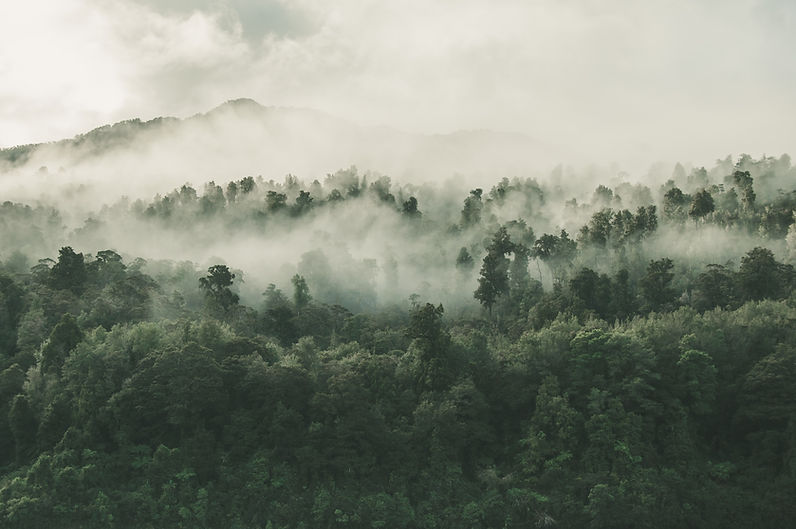
Who Are the Sidhe? In the ancient hills of Ireland, where mist clings like memory and the wind hums in forgotten tongues, lives a people older than stone, older than song. They are the Sidhe (pronounced shee) — the Hidden Folk, the Shining Ones, the spirits of earth, air, and ancient places. The Sidhe — the fabled Fairy Folk of Ireland — are said to roam the misty mountains and ancient forests, gliding unseen through the land. Their presence stirs the bogs, haunts the deep caves, and whispers across the still lakes and lonely islands. Far from the tiny, fluttering sprites of later tales, the Sidhe are often painted as tall, radiant beings: elegant, noble, and sometimes eerily akin to elves, moving with a grace that belongs to another world. The word Sidhe comes from Aos Sí, meaning people of the mounds, for it was believed they dwelled beneath the hollow hills and green barrows scattered across the land. These mounds — or fairy forts — were seen as doorways to the Otherworld: a realm of wild beauty, endless youth, and untamed magic. Origins of the Sidhe Some say they were once gods — the mighty Tuatha Dé Danann, dethroned by time and belief, retreating beneath the earth as humankind took over the world above. Others believe they have always been keepers of the wild places, answering only to the pulse of the land and the turning of the seasons. Whatever their origin, one thing remains — the Sidhe are beings of otherworldly grace and dreadful beauty, reminding us that not all power can be tamed, and not all spirits will kneel. Aoibheall — Queen of the Munster Sidhe Among the shimmering, dangerous figures of the Sidhe, one name rises like mist — Aoibheall (pronounced EE-val). She is a queen of the Munster Sidhe, ruling from Craig Liath, the Grey Rock, a being both feared and revered. Aoibheall is often called a banshee queen, though her role extends beyond mere prophecy. Tales tell of her appearing in times of bloodshed and doom, her voice a sorrow-song that can bend the knees of kings. The Prophecy of Brian Boru The most famous story belongs to Brian Boru, High King of Ireland. On the eve of the Battle of Clontarf in 1014, Aoibheall came to him, offering a vision of his fate. She foretold his death, gifting him a magical harp that could heal, charm, or curse with its song. Brian, wise and fated, accepted — for who would refuse the Queen of the Sidhe? The Leanan Sidhe — Lover and Muse In the twilight places, where moonlight clings to stone and shadows breathe, there dwells another — the Leanan Sidhe (pronounced LAN-an SHEE). She is the muse of madness, the enchantress of poets, dreamers, and artists, offering beauty and inspiration… for a terrible price. The Leanan Sidhe is drawn to those consumed by their craft, feeding on their passion, granting them brilliance while unraveling their sanity. Their work will echo through the ages, but their lives often burn away too quickly. The Bean Sidhe — Harbinger of Death No Sidhe figure is as iconic — or as unsettling — as the Bean Sidhe (Banshee), the wailing woman of the mounds. Her name means "woman of the fairy mound," a title that reveals her deep and intrinsic bond to the ancient barrows and burial sites of the land. These mounds, often shrouded in mist and mystery, are believed to be gateways to the Otherworld, where the spirits of the dead and the Sidhe dwell. The Bean Sidhe is not merely a spectral figure; she embodies the connection between the mortal realm and the ethereal, her presence a reminder of the thin veil that separates life from death. Her mournful keening, a haunting and sorrowful sound, was said to announce the impending death of a loved one. This eerie wail, echoing through the night air, would send chills down the spine of those who heard it. Families of noble blood were believed to have their own banshee, a personal spirit who would appear before a death, her lament mingling with the last breaths of the dying. The sound of her cry was not just a warning; it was a profound expression of grief, a chilling serenade that signaled the loss of a cherished soul. The lore surrounding the Bean Sidhe is rich and varied, with stories passed down through generations. In some tales, she is depicted as a beautiful woman with long flowing hair, dressed in white or gray, while in others, she appears as a terrifying hag, her face twisted in anguish. Regardless of her form, her purpose remains the same: to herald death and serve as a guide for the departed to the afterlife. This duality in her representation highlights the complexity of her character; she is both a harbinger of sorrow and a comforting presence for those who are transitioning from this world to the next. Moreover, her association with the noble families of Ireland adds another layer to her mystique. It was believed that the Bean Sidhe would choose her charges based on their lineage, ensuring that the bloodlines of the powerful were preserved and honored. This connection to aristocracy underscores the significance of ancestry and the belief that the dead remain intricately linked to their living descendants. The wailing of the Bean Sidhe thus serves as a poignant reminder of the fragility of life and the inevitability of death, echoing through the ages and resonating with the hearts of those who hear her lament. In contemporary culture, the Bean Sidhe continues to inspire fascination and fear, appearing in literature, film, and art as a symbol of mourning and the supernatural. Her legacy endures, reflecting humanity's eternal struggle with the concepts of loss and remembrance. The stories of the Bean Sidhe remind us that while death may be an end, it is also a passage, and her haunting cry is a call to honor those who have gone before us. Other Sidhe Figures The Sidhe are not a single people, but a vast, strange race of beings, each with their own customs and hauntings. Among them, many curious figures drift through folklore. Amidst the dappled light of the ancient forest, she wanders in search of a hidden gateway to the Otherworld. Fear Gorta — The Hunger Phantom The Fear Gorta (pronounced far gur-ta, meaning Man of Hunger) is a spectral, famine-stricken figure who roams the roads and fields. He appears in times of scarcity, begging for alms. Kindness brings good fortune; refusal invites ruin. The Gancanagh — Love’s Danger The Gancanagh (pronounced gawn-cawn-ah) is a male fairy, devastatingly handsome, irresistible to mortal women. He offers intoxicating love, only to leave his victims lovesick and lost. He embodies seduction and ruin, a warning about the perils of unwise desire. The Sidhe and the Otherworld It is a realm characterized by perilous beauty, where lush landscapes bloom with vibrant colors, and the air is filled with the sweet scent of flowers that seem to dance in the gentle breeze. Here, wild magic permeates every corner, infusing the environment with an energy that can enchant and bewilder those who dare to tread its paths. In every tale, the Otherworld looms — the Sidhe’s eternal, hidden realm, shrouded in mystery and enigma. This enchanting land is often depicted as a place of endless youth, where time flows differently, and the burdens of age and mortality are but distant memories. To enter this mystical domain was to risk never returning, or should one be fortunate enough to return, it was to come back irrevocably changed, bearing the marks of the Sidhe’s magic upon one’s soul. Entrances to this elusive Otherworld were believed to lie hidden in various locations throughout the landscape, each a gateway to the unknown. Fairy mounds, often referred to as 'sídhe' themselves, were thought to be the very hills that housed the spirits of the Sidhe, where mortals could potentially slip through the veil separating their world from ours. Stone circles, ancient and weathered by time, stood as silent sentinels, their purpose steeped in folklore and ritual, inviting those who sought communion with the otherworldly. Lone standing stones, often towering majestically against the sky, were revered as markers of power and connection to the divine, believed to channel the energies of the Sidhe. Sacred trees, with their gnarled roots and whispering leaves, were seen as living conduits to the Otherworld, where the spirits of nature dwelled and could be reached through prayer and reverence. In recognition of the Sidhe's importance and the dangers that lurked within their realm, mortals took great care to leave offerings that would appease these powerful beings. They would leave small tokens of gratitude and respect—milk, bread, and honey—placed carefully at the entrances to these mystical sites. Each offering was imbued with intention, a silent prayer for protection and favor. It was customary to speak only kindly of the Sidhe, for to utter a word of disrespect could provoke their ire, leading to dire consequences for the unwary. The stories of those who had encountered the Sidhe often served as cautionary tales, reminding all of the delicate balance between the mortal and the magical, and the reverence that must be afforded to the ancient beings who inhabit the Otherworld. Sacred Places and Fairy Mounds Ireland’s landscape is scattered with ancient sites believed to be fairy portals — Newgrange, Loughcrew, Knockainy, and countless unnamed hills. Many predate written history, their purpose lost in time. Folklore filled these gaps, making them homes of the Sidhe. Fairy forts, or ringforts, hold significant places in Irish and Celtic folklore, seen as the homes of the Sidhe, mystical fairy folk of the Otherworld. These ancient structures are steeped in myth and legend. Protecting fairy forts is a deeply ingrained tradition. Disturbing them is believed to provoke the Sidhe's wrath, leading to misfortunes like illness or loss. This fear reinforces their status as sacred, not just historical, sites. Fairy forts symbolize cultural beliefs and the deep connection between people and their land. Protecting these sites reflects respect for the unseen forces believed to inhabit them, making disturbance a transgression against local lore and mystical guardians. In Closing — The Living Echoes The Sidhe are not relics of quaint old tales but living echoes of ancient beliefs — beings woven into the land, the weather, and the ways of old Ireland. They are memory given shape, a reminder that the world is older, stranger, and more alive than we sometimes dare to believe. To walk the misted hills and moss-clad stones is to step closer to them, whether we mean to or not. In the gleam of dew, in the hush of ancient trees, in the hum of standing stones — there, the Sidhe wait. Not for us, perhaps, but for the pulse of the earth, the turning of seasons, and the old songs the wind still carries. So tread lightly, leave offerings where the grass grows hollow, and never mock the Hidden Folk. For in the end, the Sidhe are neither good nor evil — only as wild, cruel, kind, and ungovernable as the land that bore them.
- Build a Fairy Garden So Cute Even the Goblins Are Jealous
Gateway to glitter, garden gossip, and a dash of backyard witchery. Creating an enchanted fairy garden at home is basically like opening a secret portal to a world where tiny goblins, sassy sprites, and your wildest daydreams throw a backyard party — no passport or sensible shoes required. Imagine a little nook bursting with tiny houses, ridiculous amounts of flowers, and sparkly bits so good even Tinkerbell would rage-quit. It’s pure, unfiltered whimsy for kids, adults, and that part of you that still low-key wants to live in a mushroom. Whether you’re doing it for the tiny humans in your life or because you simply deserve a garden that looks like a fantasy novel threw up in it , this is your moment. Think of it as peanut butter and jelly — if the peanut butter was moss and the jelly was pure, uncut pixie dust. Now, sprinkle in your weird little touches: crooked bridges, twinkle lights, mossy chairs, and maybe a sign that says ‘No Trolls Allowed’ . Not only does this turn your backyard into a chaotic masterpiece, it also gives you a magical little escape where you can kick off your shoes, sip something sparkly, and hang out with your inner child — who, let’s be honest, still 100% believes in unicorns and probably hoards shiny rocks. Conjure Your Weird Little Wonderland Before you go diving headfirst into a pile of moss and glitter like an over-caffeinated garden goblin, hit pause and unleash your inner daydreamer. Picture the kind of magical hideaway so enchanting it makes unicorns roll their eyes in jealousy. Maybe it’s a cozy forest glade where sunlight cha-chas through the branches, throwing flirty little shadows on a mossy floor that practically demands you nap on it. Or perhaps it’s a riotous meadow, bursting with flowers, bees doing aerial stunts, and butterflies zipping around like they’re dramatically late for a tiny, sparkly tea party. This daydream session? It’s vital. It sets the stage for the miniature chaos and charm you’re about to create. Tiny tea, big gossip — the fae never spill their secrets, just their tea. As your vision starts brewing, think about what bizarre, wonderful touches you want in your pint-sized paradise. Maybe some teensy cottages with flower boxes so adorable they make gnomes weep softly into their beards. Picture tiny swings dangling from ancient branches, swaying like they’re prepping for a high-stakes fairy circus audition. Or a pond so sparkly it gives disco balls an existential crisis — surrounded by pebbles smoother than your best pickup line, and water lilies that just get the vibe. Each quirky little detail is a love letter to your own oddball style — a chance to build a tiny world where whimsy reigns and reality has to wait at the gate. The end result? A fairy haven so good, you’ll find yourself sneaking out there just to escape adulting for a while. And honestly… same. Pick the Perfect Spot for your fairy Garden (Like You're Choosing a Seat at a Goblin Comedy Night) Choosing the right spot for your fairy garden is basically like playing magical matchmaker — only instead of awkward first dates, you’re pairing up tiny houses with pixie party zones. Scan your backyard, your porch, or even that one sunny corner of your house where dust motes look like floating sparkles and imagine fairies kicking back there with teeny cocktails. Sure, most people go for a flower bed or a chunky pot, but who says you have to play it safe? Got no yard? No problem. Create a micro forest inside! Find a place with a nice balance of sunshine and shade — your plants will vibe, and your fairies won’t roast like enchanted marshmallows. Pressed for space? Go vertical, baby! Hanging baskets, vertical planters, or old bookshelves can morph into fairy skyscrapers reaching for the clouds. Suddenly you’ve got yourself a high-rise hangout where tiny creatures can gossip from balcony to balcony. Or, for a more low-key luxe vibe, grab a shallow tabletop container or a glass terrarium. Pop it on a windowsill or tiny balcony and voilà — a dreamy, mossy penthouse suite with killer views and zero rent. Round Up Your Gear and Get Ready to Rumble (Garden Edition) Okay, whimsical warrior — it’s time to dive headfirst into the enchanted madness that is fairy gardening. Buckle up, buttercup, because here comes your magical, slightly unhinged shopping list: Container: Choose Your Fighter Picking a container for your fairy garden is basically like choosing a hat at a wizard’s convention — dramatic, fabulous, and wildly unnecessary in the best way possible. A classic pot? Sure — it’s the diva of the gardening world, strutting around in glossy glazes and earthy tones like it owns the place. Ceramic, terracotta, or metal — pick your vibe. Think of these pots as the drag queens of garden decor — bold, unapologetic, and here to slay. Shattered? Pfft. This is where wild magic grows. Or maybe… grab that old suitcase you’ve been emotionally hoarding since 2003. Boom — instant passport to vintage charm and storybook nostalgia. Leave it scruffy for a rustic vibe or pimp it out with paint, moss, and a sprinkle of glitter. Guaranteed to make guests ask, “Wait… is that a garden in a suitcase?” Yes. Yes it is. Stay weird. And don’t you dare overlook the humble wooden crate. It’s like the charming farmer in a romcom — rugged, reliable, and surprisingly versatile. Stack ‘em, stain ‘em, let ‘em age like fine wine. They’re the perfect rustic base for your botanical masterpiece. Bottom line: Whether it’s a pot, suitcase, or crate — this is the stage where your planty cast will strut their leafy stuff. Soil: The Unsung Hero Ah yes, soil — the fairy godparent of your tiny garden kingdom. It’s not glamorous, but without it, your plants are basically doomed. Regular garden soil is like a grumpy troll living under a bridge — heavy, clingy, and bad for roots. Instead, treat your green babies to potting mix — light, fluffy, and draining like a dream. It’s like sending your plants to a spa weekend with a glass of rosé and a cucumber eye mask. They’ll thank you for it. Plants: Cast Your Dream Team Now for the headliners. You’ll want a mix of miniature plants that get along like a fairy folk band on tour. Think: tiny succulents, lush moss, and baby blooms. Moss is basically the velvet rug of your garden — soft, lush, and giving everything a ‘fresh out of the forest’ vibe. Mini flowers like wee pansies or tiny orchids? They’re the rockstars, adding bursts of color and stage presence. Pair them with your mossy carpet and some chubby succulents for a vibe that’s part enchanted glade, part VIP green room. Pro tip: Mix up plant heights and shapes like you’re casting a fantasy film — no one wants an all-dwarf, all-giant, or all-elf cast. Balance is key. Every blossom’s a whisper from the garden’s tiny folk. Decorative Bits: Sprinkle That Whimsy Now the real fun begins. Load up on teeny furniture — we’re talking pint-sized benches, thimble-sized tables, and tiny fairy teacups. Toss in miniature lanterns or string lights so your fairies don’t trip on invisible roots after dark. Add critters — frogs, rabbits, maybe a disgruntled gnome or two. Then scatter in natural goodies like pebbles, shells, acorns, or bits of wood to make miniature paths, secret corners, and tiny hangout spots. Leave open areas too — fairies need room to vibe, twirl, and stage impromptu woodland dance-offs. Building the Base (AKA: Laying the Groundwork for Tiny Magic) Alright, whimsical architect — you’ve picked your enchanted spot, wrangled your supplies, and now it’s time to lay down the literal groundwork. Think of this part as fluffing the pillows before the magical tea party. If you’re using a container (and I hope by now it’s something fabulously weird like a teacup, suitcase, or mystical cauldron) — fill that baby up with soil. Leave a little breathing room at the top though — we’re not making a mud pie, we’re making art. By moonlight and moss, the magic begins — every enchanted realm needs a base to brew its wonder. Now here’s where you get clever. Don’t just dump the dirt in there like a barbarian — sculpt it. Create gentle slopes, rolling hills, or a wee winding path like you’re a miniature landscape artist with way too much creative energy. That little pathway? It’s not just a cute touch — it’s the fairy highway, the thoroughfare for tiny feet, paw prints, and the occasional dramatic unicorn strut. And remember: Imperfections are basically fairy signatures. That little wonky hill? Character. That slightly crooked path? Personality. A perfectly symmetrical, flawless fairy garden would just feel… suspicious. Embrace the wonk, friend. Planting Your Garden (AKA: Green Thumbs, Tiny Dreams) Alright, soil’s in, fairies are watching, and now it’s time to get planting! The plants you pick here are like the cast of your tiny enchanted sitcom — each one bringing their own vibe, flair, and, occasionally, dramatic flower-based outbursts. So let’s meet the star players: 🌿 Moss: Nature’s lush, velvety green shag carpet. It’s basically the beanbag chair of the plant world — soft, chill, and effortlessly cool. Gardeners call it “fairy grass” because fairies are famously picky about floor textures, and this stuff is like walking on a pixie’s favorite pillow. It guzzles water faster than you can say “moist,” hugs the soil like a clingy best friend, and thrives in those shady spots where other plants throw dramatic tantrums. Low-maintenance, eco-friendly, and weirdly soothing to squish — moss is the unsung hero your fairy garden deserves. 🌸 Miniature Flowers: Say hello to alyssum , the social butterfly of the plant world. These tiny white blooms cluster up like a group selfie at a garden rave, attracting bees, butterflies, and maybe even a curious gnome or two. It’s basically the life of the party, but make it floral. Pocket full of posies, heart full of magic. Plant spells, not just seeds. Then you’ve got mini daisies , the peppy cheerleaders of the garden. With their sunny yellow centers and crisp white petals, they’ll pop up shouting, “Look at me!” and instantly brighten up your garden like a disco ball at a forest festival. Bonus — they thrive just about anywhere, like those friends who somehow end up dancing on tables by midnight. 🌿 Herbs: Time to bring in the culinary MVPs. Thyme is like the cool aunt of the herb world — tiny leaves, big flavor, and always ready to turn a boring dish into a masterpiece. Plus, it smells like a forest kitchen in the best possible way. And then there’s chamomile — your garden’s laid-back hippie cousin. With its daisy-like flowers and sweet, apple-scented tea powers, it’s perfect for winding down after a long day of fairy-wrangling. Bonus points: chamomile attracts helpful bugs and makes your fairy garden smell like an enchanted apothecary. Pro tip: Mix and match these green delights like you’re casting a magical ensemble. Each plant brings a little sparkle, scent, and sass — and together they’ll turn your tiny garden into a pocket-sized paradise. Sprinkling in Some Magical Tidbits (AKA: Tiny Trinkets & Big Vibes) Now for the fun part — it’s time to jazz things up and give your fairy garden some serious personality! This is where your little green paradise gets its quirky soul, like putting glitter on a raccoon… wildly unnecessary, but somehow absolutely perfect. Start with some pint-sized furniture — think itty-bitty benches where fairies can gossip, tiny tables perfect for thimble-sized tea parties, or swings that look like they’ve been stolen straight from a fairy circus. It’s these little touches that make your garden less “plant pot” and more “enchanting micro-village with HOA drama.” This isn’t your ordinary cuppa — it’s steeped in fairy dust. Other charming must-haves: A teeny-tiny watering can (because tiny plants need tiny showers, obviously) A mini birdhouse for the world’s smallest, sassiest bird. A sparkly pond made from shiny glass pebbles that looks like a disco floor for frogs and fairy fish Go full goblin-mode on your creativity. Raid your junk drawer. Those spare buttons? Fairy steppingstones. That random bottle cap? Instant garden shield or mystical portal cover. Broken jewelry? Fairy treasure! There’s magic in the mundane, and your fairies aren’t picky — they love a little upcycled sparkle. The weirder, the better. Got a thimble? It’s now a flowerpot. A marble? A mystical orb. A wine cork? It’s obviously a fairy bath. Your imagination is the only rule here — and it’s probably wearing a pointy hat. Branching Out: Adding Nature to Your Garden If you really want to sprinkle some extra pixie dust on your fairy garden, it’s time to raid Mother Nature’s craft closet. Twigs, stones, and pinecones are the VIP guests at this garden party. These natural trinkets don’t just jazz up the scenery — they whisper stories of enchanted forests and mossy, forgotten glades. Snag a few twigs from your backyard or that park you pretend you jog in. Their twisty, gnarled shapes are perfect for crafting whimsical little archways, fences, or even tiny log cabins that scream “Fairies live here — and they have excellent taste.” Why stop there? Scatter pebbles or broken tile pieces into dainty little paths — fancy patterns are optional, but encouraged. Picture a fairy highway of glinting stone, winding through secret hideouts and glittering party spots. Mix up colors and textures like a fairy DJ at a mossy rave. If you’re feeling bold, toss in some glass beads or mosaics — because if there’s one thing fairies love, it’s bling. When nature gives you gumnuts, make a fairy’s favourite treasure. These little Aussie gems add a pop of earthy charm, perfect for your enchanted garden And t he pièce de résistance? A charming little stick bridge, of course! Picture it arching over a tiny glass-stone pond or a clump of bright flowers, inviting fairies to cross over to the next whimsical adventure. Tie your twigs together with a bit of twine or a dab of magical glue, dress it up with moss or flower petals, and bam — rustic fairy engineering at its finest. These earthy goodies don’t just add texture — they make your fairy garden feel alive , like every nook hides a secret and every cranny hums with stories waiting to be uncovered. Seasonal Themes Now here’s where your fairy garden becomes a shape-shifting wonderland — like a nature-loving runway model, changing outfits with the seasons. In spring, it’s all about soft pastels and sprightly blooms. Picture daffodils, tulips, and hyacinths popping up like cheerful little greeters, while mini birdhouses and fairy figurines declare, “Spring has sprung, and we are HERE for it!” Toss in butterflies and ladybugs for bonus cuteness points. Autumn’s here — the fairies swapped their flower crowns for leaf hats. Come summer, it’s garden party time. Bright yellows, fiery reds, and electric blues take center stage — think sunflowers, marigolds, and zinnias shaking their leafy hips to the rhythm of a warm breeze. Maybe set up a tiny picnic scene or a fairy-sized deck chair so your little mates can catch some imaginary rays. As autumn tiptoes in, your fairy garden turns into a cozy little bushland haven. Swap the pumpkins for tiny eucalyptus pods and scatter golden, crunchy leaves like nature’s own confetti. Twinkling fairy lights weave through branches, casting a warm glow as dusk settles in. Add a mini scarecrow made from twigs or a rustic hay bale, and maybe tuck in a gum nut or two — your fairies will be vibing those mellow harvest feels with a touch of native magic. Winter? Well, your garden’s about to turn into a snow-globe-worthy wonderland. Sprinkle on the faux snow, add evergreen sprigs, and tuck in sparkly stones to mimic frozen ponds. Miniature skates, snowmen, and soft lights will keep it looking merry and magical, even when the world outside is shivering. Involve the Kids Why hog all the fairy fun? Bring the little ones into this leafy escapade! It’s like sneaking vegetables into a cake — they’ll be having so much fun, they won’t notice they’re actually learning. The Garden Overseer has arrived. “Leaf me alone, I’m supervising.” Let them pick out plants, choose decorations, and dream up weirdly wonderful themes. Teach them to plan garden layouts, essentially turning them into tiny landscape wizards with dirt under their nails. Not only will they get a sense of pride watching their leafy friends grow taller (possibly taller than Uncle Dave), but they’ll also pick up patience, creativity, and the occasional reminder not to water the cat. It’s less about perfection, more about memory-making — and hey, what’s more magical than that? Water, weed, repeat. Magic doesn’t grow itself, you know. Keeping your enchanted garden gorgeous is like giving a diva a magical glow-up. First — water wisely . Plants are dramatic creatures; too little and they’ll wither, too much and they’ll throw a soggy tantrum. A moisture meter might save you from fairy-related floods. Even the tiniest witches know — a sprinkle of water, a dash of love, and a little hat never hurt a plant. Trim and tidy those plants like a fairy barber with an eye for symmetry. Prevent overgrowth and keep things charmingly neat, so nothing overshadows your tiny furniture and fairy trails. And don’t let your décor gather dust! Wipe down those fairy lights, statues, and paths so they stay sparkling like a freshly polished crystal ball. Leaves and seasonal debris might sneak in for an uninvited stay — show them the exit. Feeling adventurous? Swap in new plants and decorations with the seasons. Keep the garden alive, dynamic, and mood-shifting — just like a wizard’s wardrobe. Bring in the Magic Ready to sprinkle a little extra razzle-dazzle? Fairy gardens love a good glow-up — literally. When the sun dips low, let the fairy lights glow — magic doesn’t keep office hours. Fairy lights in warm or colorful hues can line paths and dangle from twigs like enchanted fireflies. Miniature lanterns add cozy flickers of light, perfect for late-night fairy shenanigans. Mirrors, cleverly placed, bounce light around your tiny world, making it feel endless — like there’s always one more hidden corner, just out of view. It’s a simple trick, but it’s pure magic. When day turns to dusk, these glowing touches turn your garden into a twinkling wonderland, where shadows dance, secrets hum, and every stone seems to hold a story. From Dirt to Dreamland And so, in a corner of the world (or your backyard), a tiny wonderland blooms — where fairies frolic, flowers whisper secrets, and magic waits around every mossy bend. At the end of the day, creating a fairy garden isn’t just about plants and pebbles — it’s about weaving joy and wonder into your life. With a little dirt under your fingernails and a healthy dose of imagination, you can build a pocket-sized wonderland that wows the kids, charms the grown-ups, and makes your heart feel like it’s been hugged by a tiny, glitter-dusted elf. Find your space. Pick your plants. Toss in trinkets and twinkle lights. Let your weird, whimsical side out to play. And don’t forget to document your adventure! Snap those pics, share those stories, and spread the magic. Because the world could always use a little more wonder.


